Got Questions?
Frequently asked questions
Everything you need to know about our process, file formats, delivery and pricing. Can’t find your answer? Call us on 0411 077 765.
Frequently asked questions
How do I supply my photos, negatives or tapes to you?
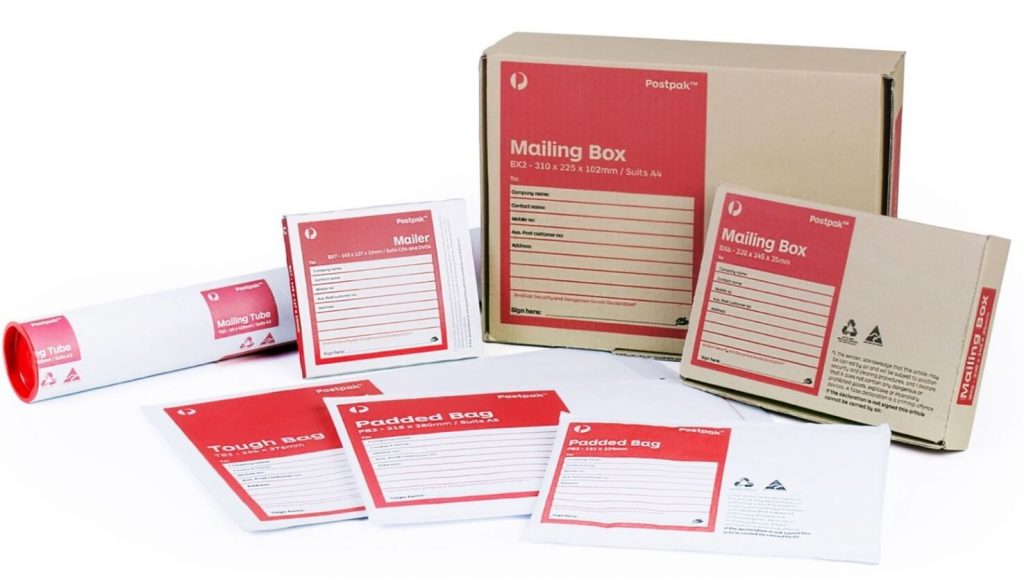
The easiest way is to post them via Australia Post to our address. Pack them carefully — insert a piece of stiff card with printed photos to prevent bending, and use appropriate padding for tapes and film reels. We will return all originals once scanning or conversion is complete.
For digital photos or restored images you want printed, you can upload them directly via our Upload page.
Frequently asked questions
How do you convert a negative or photo to digital?
For negatives, we photograph each negative at very high quality and then use software to convert it to a positive image, followed by basic editing such as white balance correction and scratch/mark removal.
Printed photographs are scanned with a professional high-quality scanner, followed by colour correction and basic scratch removal. The end quality depends on the condition of the original — we can fix many problems but if an image has degraded beyond a certain point, the cost to restore may outweigh the quality of the result. We’ll discuss any issues with you during the process on a case-by-case basis.
Frequently asked questions
How do you deliver the finished digital files?
We upload your digital files to a secure cloud server and provide you with a private individual download link — this service is completely free. Files are available to download for a reasonable period after completion.
If you prefer physical media, we can save files to a DVD, Blu-ray disc or USB flash drive at additional cost (see our Pricing page for details).
Frequently asked questions
What is the difference between a TIFF and a JPEG?
A TIFF is a high-quality, uncompressed digital image, it is the best format to keep as your master copy because it retains all of the original image data and can be edited and resaved repeatedly without quality loss. Because they hold so much information, TIFF files are very large in file size.
A JPEG is a compressed version of the image, much smaller in file size and viewable in all programs and devices. However, some image quality is lost in compression and further quality is lost each time you resave a JPEG. We supply all images in both TIFF and JPEG formats so you have both the original-quality master and a convenient sharing copy.
Frequently asked questions
What is a slideshow and what options are available?
A slideshow is a collection of photos or images compiled into a video file — essentially a moving photo album. We can customise the number of photos, how long each image is displayed, motion effects, music or other sound, and personal titles and labels.
For example, we can take an old group photograph and add name labels to identify the people in it. Slideshows are delivered as MP4 video files and can also be recorded to DVD or USB at additional cost.
Frequently asked questions
How long will the conversion or restoration take?
Turnaround time depends on the size and complexity of your order. We aim to complete within a couple of weeks of receiving your materials. For larger orders, we’ll provide an estimated timeframe when you contact us. We’d rather take the extra time to do the job properly than rush it.
Frequently asked questions
What if I’m not happy with the result?
We work with you through the process so you have a clear idea of what the end result will look like before anything is finalised. The quality is dependent on the condition of the original material, which we’ll explain honestly from the start.
If you’re not happy with the result, you don’t pay — excluding printed photos where materials and paper have already been purchased. No arguments, no hassle.
Frequently asked questions
What payment methods do you accept?
As a small Australian family business, our preferred payment methods are PayPal and direct bank deposit. We’ll provide payment details with your quote or invoice.
Frequently asked questions
Can you convert old 8mm video tapes as well as 8mm film reels?
Yes — we handle both. 8mm film reels (Regular 8 and Super 8 cine film from the 1960s–1980s) are separate from 8mm video tapes (the cassette format used in camcorders from the 1980s–2000s). We convert both, as well as VHS, VHS-C, Hi8, Digital 8 and Mini DV tapes.
Frequently asked questions
Do you service all of Australia?
Yes — we service customers all across Australia. You can upload digital photos directly via our website, or post your physical originals to us using Australia Post. We return all originals with tracked shipping once your order is complete.
Still have a question?
We’re happy to chat through your project and give you an honest assessment of what we can achieve. Call us on 0411 077 765.